Unleashing Performance: An In-Depth Guide to the 4JJ1 Engine
The 4JJ1 engine, a robust three-liter diesel four-cylinder, has gained recognition for its design and operational capabilities. With features like forced induction and common rail fuel delivery, it offers exceptional torque output. However, unleashing its full potential requires a deliberate strategy to maintenance and modifications. Comprehending these factors is essential for both demanding applications and performance-oriented users. What precise modifications can meaningfully enhance its performance?
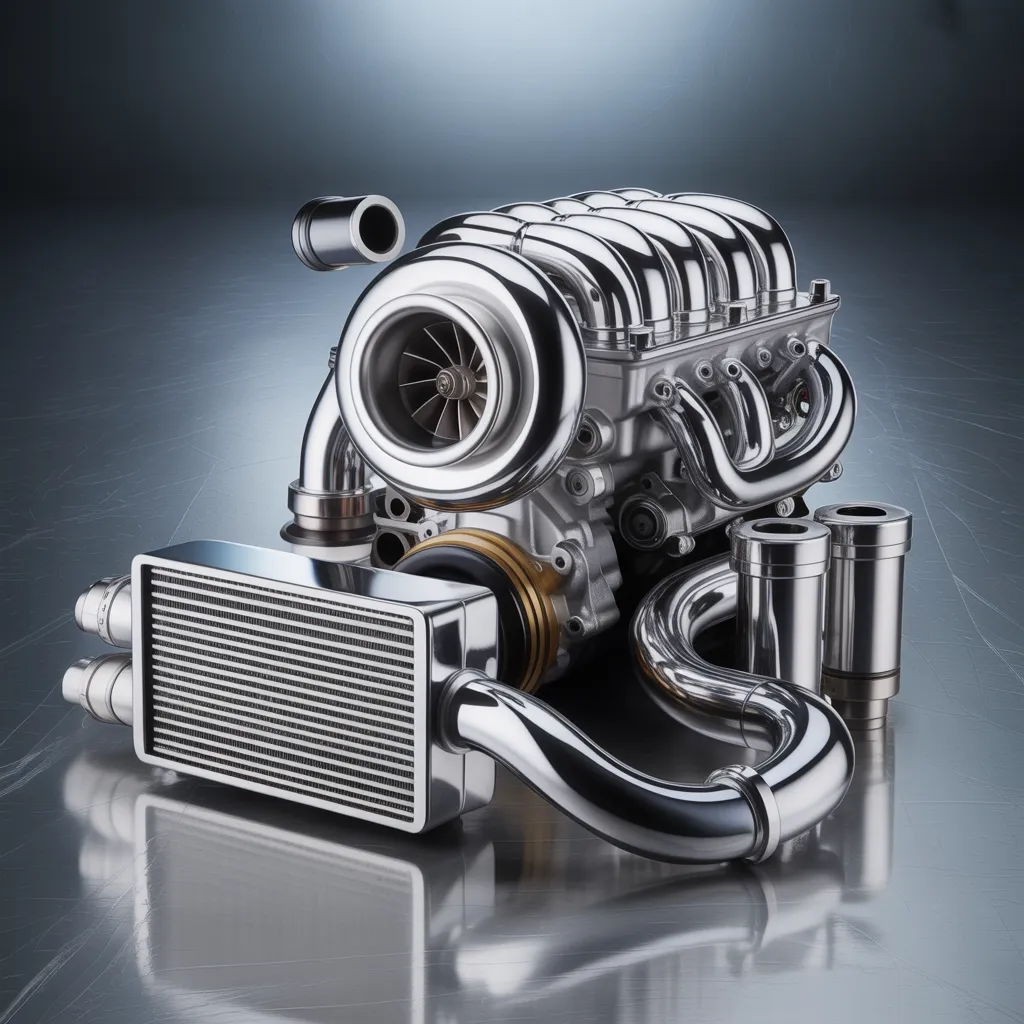
The Structural Features of the 4JJ1 Powerplant
The 4JJ1 engine exhibits a strong design that focuses on efficiency and durability. This 3.0L four-cylinder diesel engine utilizes innovative engineering principles to optimize its functionality. Its iron block construction guarantees strength, while the aluminum cylinder head supports weight reduction and exceptional thermal performance. The engine features a DOHC (Dual Overhead Camshaft) layout, which facilitates precise timing and improved air intake, also improving combustion efficiency.
In addition, the 4JJ1 is built with a direct common rail injection system, enabling better fuel atomization and decreased emissions. The motor's turbocharger enhances power output while maintaining fuel economy. Other engineering elements include a high-strength crankshaft and fortified pistons, which support the motor's longevity under heavy-duty use. Overall, the 4JJ1 motor's design showcases a commitment to reliability and cutting-edge technology, making it well-suited for a wide range of applications.
How the 4JJ1 Engine Excels in Performance
The 4JJ1 engine stands out through its exceptional torque delivery, providing substantial power across a wide range of driving conditions. Furthermore, its fuel-saving capabilities make it a notable choice for those looking for performance without sacrificing economy. These qualities enhance its standing in both commercial and personal applications.
Exceptional Torque Delivery
Although many engines aim for performance, the 4JJ1 engine sets itself apart through its outstanding torque performance, making it a premier option for both utility and performance. This engine boasts a durable construction, enabling it to generate substantial torque at lower RPMs, which is critical to tasks necessitating considerable hauling strength. The 4JJ1's torque curve remains flat across a wide range, delivering steady power that improves drivability, especially in demanding situations. Its state-of-the-art turbocharger further optimizes torque response, facilitating quick acceleration without sacrificing control. This pairing of bottom-end torque and reaction makes the 4JJ1 engine not only ideal for demanding tasks but also a reliable option for performance enthusiasts pursuing a thrilling ride.
Fuel Economy Benefits
Optimizing fuel economy, the 4JJ1 engine emerges as a top performer in the demanding arena of high-output engines. This engine utilizes sophisticated fuel delivery mechanisms examination and a precisely calibrated turbocharger, allowing it to optimize combustion and reduce fuel consumption. Its design features lightweight components that improve total performance without compromising engine power. Additionally, the 4JJ1 engine's capacity to delivering steady torque across a broad RPM spectrum allows for more efficient acceleration and reduced power loss. These attributes lead to a cost-effective performance experience, making it an ideal choice for both commercial and recreational vehicles. As a result, the 4JJ1 engine delivers outstanding performance while emphasizing fuel economy, establishing a standard in its segment.
Leading Enhancements for 4JJ1 Power Output
Unlocking the total capability of the 4JJ1 engine typically demands a number of targeted modifications. A particularly powerful improvements is adding a superior turbocharger, which optimizes airflow and considerably amplifies power output. In addition, improving the intercooler can improve thermal efficiency, facilitating improved air intake and improved combustion.
One other significant change is the installation of a performance exhaust system, which decreases backpressure and optimizes exhaust flow, additionally boosting overall engine performance. Reprogramming the engine's ECU can also reveal additional horsepower by modifying fuel maps and ignition timing for greater efficiency.
As a final consideration, upgrading the fuel injection system with bigger injectors guarantees that the engine gets the necessary fuel for elevated power needs. Combined, these improvements can evolve the 4JJ1 engine into a more capable, efficient unit, ideal for diverse performance scenarios.
Essential Maintenance Tips to Prolong 4JJ1 Engine Lifespan
Routine maintenance plays a vital role in maximizing the longevity of the 4JJ1 engine. Consistent oil changes are crucial, as they provide adequate lubrication and decrease wear on engine components. Utilizing premium oil and swapping out the oil filter with every change will improve engine efficiency and durability. Moreover, keeping track of coolant levels and renewing it on a scheduled basis assists in preventing overheating and corrosion.
Air and fuel filters need to be examined and swapped out as required to ensure proper airflow and fuel supply, which directly impacts engine performance. Consistently monitoring and modifying the valve clearance can also prevent potential issues and promote smooth operation.
In addition, ensuring the engine remains free of debris and dirt can prevent overheating and mechanical failures. Lastly, sticking to the manufacturer's recommended service intervals for timing belts and other important components is critical. By applying these crucial maintenance practices, owners can significantly improve the durability and reliability of the 4JJ1 engine.
How to Address Common 4JJ1 Engine Concerns?
Despite consistent maintenance efforts, 4JJ1 engine owners might experience problems as time goes on. Typical signs of trouble include excessive smoke, rough idling, and a loss of power. To address these issues effectively, it is advisable to begin by examining the fuel system for obstructions or leaks, since proper fuel delivery is essential for peak performance. Checking the air filter is another key step, because a contaminated filter can impede airflow and cause performance issues.
Subsequently, inspecting the vehicle's diagnostic components, such as the MAF and acceleration sensors, can uncover issues influencing operation. Furthermore, checking for error codes using an vehicle diagnostic scanner can deliver useful insights into underlying malfunctions.
Finally , making sure the cooling system operates correctly is critical to avoid overheating issues , which can lead to significant damage. By methodically working through these areas , owners of 4JJ1 engines can efficiently pinpoint and address frequent issues , ensuring their engine continues to perform reliably.
4JJ1 Engine Against Other Diesel Engines: An In-Depth Comparison
While many diesel engines offer robust performance, the 4JJ1 engine stands out due to its distinctive balance of efficiency and power. Compared to traditional diesel engines, the 4JJ1 is celebrated for its lightweight build, which enhances fuel efficiency without compromising torque. Its turbocharged, intercooled design improves performance, making it ideally designed for both commercial and light-duty uses.
In comparison to competing options like the Cummins ISB or the Ford 7.3L Power Stroke, the 4JJ1 consistently offers similar torque output while maintaining lower emissions. Moreover, the compact design of the engine allows for flexible installation options, appealing to both original equipment manufacturers and enthusiast builders.
How Modifications Affect 4JJ1 Engine Maintenance Needs
Changes to the 4JJ1 engine can considerably impact its maintenance requirements. Upgraded cooling systems may become necessary to manage improved power delivery, while regular oil changes may be required due to higher engine temperatures. Moreover, improved fuel standards might be required to accommodate the enhanced mechanical behavior resulting from these upgrades.
Enhanced Cooling Requirements
As engine output is boosted through numerous upgrades, the thermal management needs of the 4JJ1 engine grow ever more critical. Modifications such as turbocharging and improved intake systems produce elevated thermal conditions, necessitating more efficient cooling solutions. Standard cooling systems may struggle to dissipate the extra heat, leading to potential overheating and engine damage. Therefore, enthusiasts may need to take into account installing heavy-duty radiators, improved intercoolers, and superior coolant flow systems. Furthermore, routine servicing of the thermal management components, encompassing leak inspections and maintaining correct coolant volumes, proves absolutely necessary. Overlooking these elevated thermal management needs risks compromising the gains made via performance enhancements, consequently reducing the powerplant's lifespan and performance consistency. Careful attention to these considerations is essential for optimal engine operation.
Greater Oil Change Intervals
Enhanced cooling solutions are not the only aspect requiring attention when optimizing the 4JJ1 engine. Performance-oriented modifications often lead to higher engine thermal loads and pressure, thereby affecting oil quality and longevity. As a result, technicians may need to implement a stricter oil replacement routine to preserve engine integrity. Consistent oil replacements become critical to guarantee proper lubrication, reduce wear, and prevent sludge buildup. Additionally, synthetic lubricants, commonly employed in upgraded engines, may deteriorate more rapidly under demanding performance circumstances. As a consequence, preserving optimal oil condition through more frequent replacements is essential for the lifespan and effectiveness of the 4JJ1 engine, ensuring that it functions reliably under improved performance demands.
Improved Fuel Quality Demands
Upgrading fuel standards is vital for preserving the efficiency and durability of the 4JJ1 engine, especially after upgrades. Advanced fueling setups and aftermarket components often necessitate increased octane or cetane values to improve combustion efficiency. Relying on inferior fuel can cause increased emissions, knocking, and diminished power, undermining the gains of any enhancements. Additionally, superior quality fuels typically contain detergents that work to reduce carbon deposits, a key aspect for modified engines that may operate under increased stress. Consistently tracking fuel standards and ensuring compatibility with enhancements can greatly extend the lifespan of the engine and improve overall efficiency. Consequently, choosing premium-grade fuel becomes a essential aspect of maintaining the 4JJ1 engine after enhancements are implemented.
Forthcoming Improvements regarding the 4JJ1 Engine
As the 4JJ1 engine has proven itself to be a dependable option across numerous applications, new developments on the horizon aim to significantly improve its capabilities and efficiency. Progress in turbocharging technology seeks to increase power delivery while decreasing response lag, facilitating a smoother and more immediate driving experience. Additionally, the integration of advanced electronic control units (ECUs) is expected to optimize fuel injection and combustion processes, resulting in better fuel economy and lower emissions.
Research into alternative fuels, like biodiesel mixtures and engineered fuels, could also expand the adaptability of the 4JJ1 engine, rendering it more eco-friendly. Better cooling systems and refined materials are currently being evaluated to increase durability and reliability under demanding conditions. Finally, ongoing collaborations with automotive manufacturers may lead to tailored modifications, guaranteeing the 4JJ1 engine stays relevant in an evolving market. Such advancements together seek to reinforce the engine's reputation as a top performer in its category.
Frequently Asked Questions
What Is the History Behind the Development of the 4JJ1 Engine?
Isuzu developed the 4JJ1 engine during the early part of the 2000s, aimed at enhancing fuel efficiency and durability for commercial vehicles. Its design reflects advancements in diesel technology and a focus on environmental compliance.
How Does the 4JJ1 Engine Hold Up Under Extreme Weather Conditions?
The 4JJ1 engine exhibits reliable performance in extreme weather conditions, preserving efficiency and performance. Its sturdy construction incorporates features that improve cold-start capability and heat management, ensuring adaptability in various climates and demanding environments.
What Are Widespread Myths Surrounding the 4JJ1 Engine?
Prevalent misconceptions about the 4JJ1 motor involve misunderstandings regarding its longevity, fuel efficiency, and capability in harsh environments. Many believe the engine is susceptible to overheating and unnecessary wear, which is commonly inflated or lacking in evidence.
Where Can I Source Replacement Parts for the 4JJ1 Engine?
Replacement components for the 4JJ1 engine model can be sourced at official dealerships, internet-based automotive retailers, and specialized engine parts suppliers. Additionally, local auto parts stores may carry suitable components for this specific engine model.
What Is the Standard Lifespan of a 4JJ1 Engine?
The standard lifespan of a 4JJ1 engine commonly spans from 200,000 to 300,000 kilometers, depending on overall care, driving habits, and maintenance schedules. Regular servicing can significantly prolong its working lifespan.